
Last updated · Written by the Elite Restoration Services of Iowa team
What does water damage restoration involve?
Water damage restoration generally means stopping the source, removing standing water, taking out materials that can't be dried, and drying the structure while tracking moisture readings until materials are dry. Documentation matters too. At Elite, the photos, moisture logs and scope from your job are handed over to whichever repair contractor you choose.
How is a flooded basement or wet room usually dried out?
The industry standard for professional water damage restoration is the IICRC S500. In general, the work follows the order below. Every loss is different, and the free on-site inspection is where the plan for yours starts.
Inspect and measure
Moisture meters show where the water actually traveled, which is often farther than the visible stain.
Extract
Standing water is pulled out of carpet, pad and hard surfaces. Extraction removes far more water than evaporation.
Remove what can't be dried
Materials like soaked carpet pad or drywall that has wicked water are often removed.
Dry and monitor
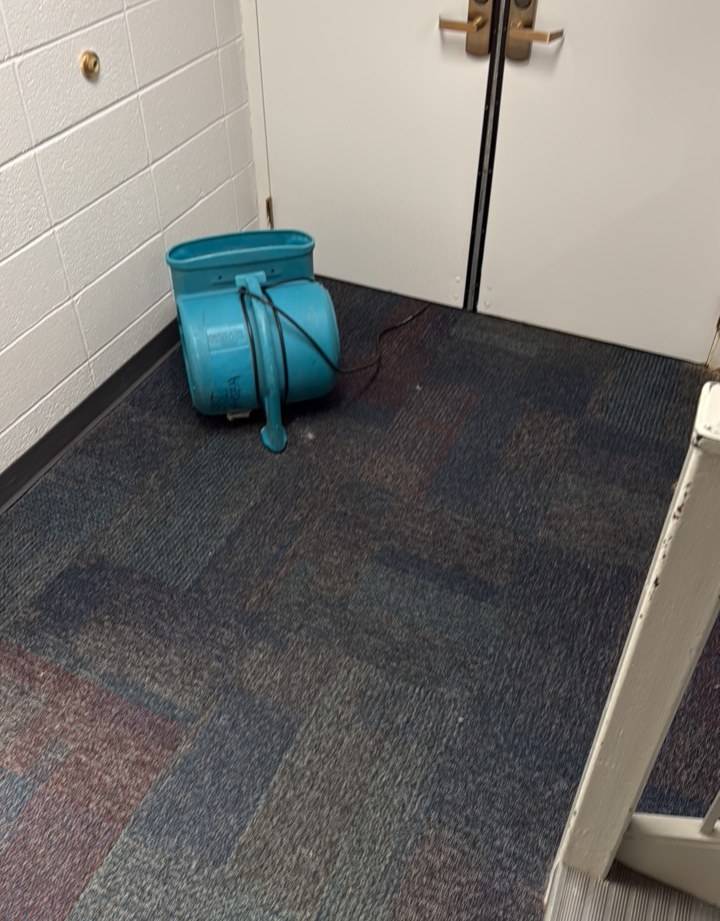
Air movers and dehumidifiers run while moisture is checked until materials reach a dry standard.